
Forensic Scientist
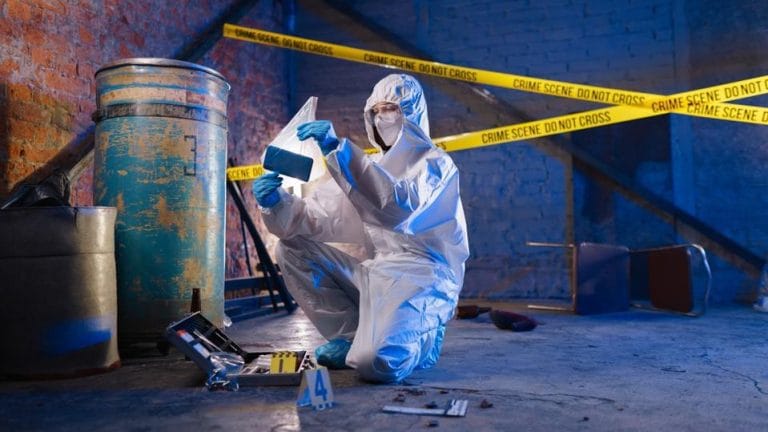
ELIGIBILITY
- For 10th: Pass in 10th grade.
- For 12th: Pass in 12th grade with Physics, Chemistry, Biology/Mathematics, and English as core subjects.
ENTRANCE TESTS
- Entrance exams may vary by institution and country. Some places may require specific tests related to forensic science or related programs.
AVAILABLE COURSES
- Undergraduate: Bachelor of Science (B.Sc) in Forensic Science (3 years)
- Post Graduate: Master of Science (M.Sc) in Forensic Science (2 years)
- Ph.D.: Doctor of Philosophy (Ph.D.) in Forensic Science for advanced research and academic careers.
WORK OPPORTUNITIES
- Government agencies: Working in forensic laboratories, police departments, and law enforcement agencies to analyze evidence and assist in criminal investigations.
- Private forensic laboratories: Conducting analysis on behalf of legal firms, insurance companies, and corporate clients for civil cases and security assessments.
- Medical examiner’s office: Performing autopsies, identifying causes of death, and collaborating with forensic pathologists in criminal and civil investigations.
- Research institutions: Developing new forensic techniques, studying forensic science methodologies, and advancing forensic technology.
- Consulting: Providing expert testimony in court, offering forensic expertise in legal cases, and advising on forensic matters in academia and industry.
- Academic institutions: Teaching forensic science courses, supervising student research, and conducting academic research in forensic disciplines.
- International organizations: Supporting global forensic investigations, standards development, and promoting forensic science best practices.