
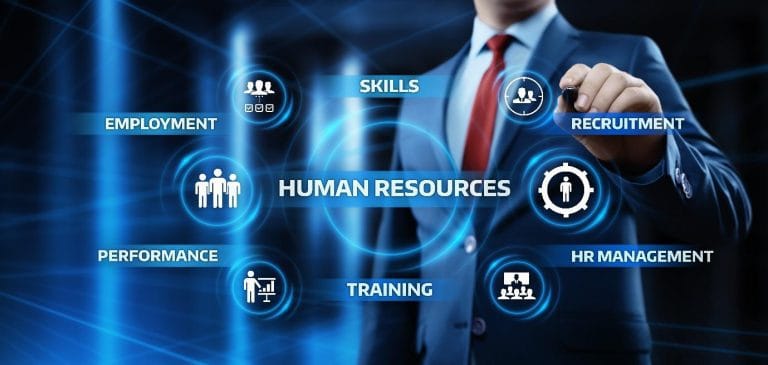
MBA – HR
ELIGIBILITY
- For 10th: Completion of 10th grade.
- For 12th: Completion of 12th grade in any stream, though Commerce or Science with Mathematics and Economics can be beneficial.
- Training: A bachelor’s degree in Business Administration, Management, Psychology, Sociology, or related fields. Some programs may require prior work experience in HR or related areas.
ENTRANCE TESTS
- Common Admission Test (CAT) or equivalent for MBA programs in HR.
- Graduate Management Admission Test (GMAT) for international MBA programs.
- Specific entrance exams for MBA in HR offered by individual universities or business schools.
AVAILABLE COURSES
- Bachelor’s Degree: BBA in Human Resource Management, Bachelor’s in Psychology, Bachelor’s in Sociology.
- Master’s Degree: MBA in Human Resources, Master’s in Personnel Management (MPM), Master’s in Industrial Relations and Personnel Management (IRPM).
- Professional Certifications: Society for Human Resource Management (SHRM) Certified Professional (SHRM-CP), HR Certification Institute (HRCI) certifications like Professional in Human Resources (PHR) or Senior Professional in Human Resources (SPHR).
- Ph.D.: Doctorate programs in Human Resource Management or Organizational Behavior for academic and research careers.
WORK OPPORTUNITIES
- Corporate HR Departments: Overseeing recruitment, training, compensation, and employee relations.
- Consulting Firms: Providing HR advisory services to client organizations on workforce planning and talent management.
- Staffing Agencies: Matching candidates with job opportunities and managing temporary or permanent placements.
- Non-Profit Organizations: Managing HR functions to support mission-driven initiatives and organizational growth.
- Government Agencies: Developing and implementing HR policies and programs for public sector organizations.
- Education Sector: Handling faculty and staff recruitment, training, and performance management in educational institutions.
- Healthcare Industry: Managing HR needs specific to healthcare professionals and compliance with industry regulations.
- Technology Companies: Supporting HR needs in fast-paced environments focused on innovation and digital transformation.
- Manufacturing Sector: Ensuring workforce efficiency, safety, and compliance with labor laws in manufacturing facilities.
- International Organizations: Handling global HR strategies, cross-cultural management, and expatriate assignments.