
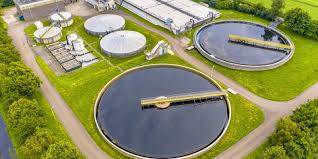
Water Treatment Plant
ELIGIBILITY
- For 10th: Focus on science subjects, particularly physics, chemistry, and biology. Participate in science fairs or projects related to water conservation and treatment.
- For 12th: Opt for science subjects such as physics, chemistry, and mathematics. Engage in related extracurricular activities, such as environmental clubs or internships.
- For Graduation: Relevant degrees or courses include:
- Bachelor’s in Environmental Engineering – Provides knowledge of water treatment processes, environmental laws, and engineering principles.
- Bachelor’s in Civil Engineering – Includes coursework on water resources and infrastructure.
- Bachelor’s in Chemical Engineering – Focuses on chemical processes involved in water treatment.
- Bachelor’s in Environmental Science – Covers topics on water quality, pollution control, and resource management.
- Master’s in Environmental Engineering – Advanced study of water treatment technologies, environmental impact, and project management.
- Master’s in Water Resources Management – Focuses on managing and optimizing water resources.
- Master’s in Public Health – Emphasizes water quality and its impact on health.
ENTRANCE TESTS
- For undergraduate and postgraduate programs:
- University-specific entrance exams for environmental engineering, civil engineering, or related courses.
- JEE (Joint Entrance Examination) – For admission to engineering programs, including environmental engineering and civil engineering.
- GATE (Graduate Aptitude Test in Engineering) – For admission to postgraduate programs in environmental engineering and related fields.
- GRE (Graduate Record Examination) – For admission to international postgraduate programs in environmental science or engineering.
- CAT (Common Admission Test) – For admission to MBA programs in water resources management or environmental management, if applicable.
- For certifications or training in water treatment:
- Certification in Water Treatment – Covers technical aspects of water purification and treatment processes.
- Certification in Environmental Management Systems (e.g., ISO 14001) – Focuses on managing environmental aspects in water treatment.
- Training in Water Quality Management – Provides practical skills in monitoring and improving water quality.
AVAILABLE COURSES
- Undergraduate Courses:
- Bachelor’s in Environmental Engineering – Covers water treatment technologies, environmental regulations, and engineering principles.
- Bachelor’s in Civil Engineering – Includes coursework on water resources and infrastructure development.
- Bachelor’s in Chemical Engineering – Focuses on chemical processes used in water treatment.
- Bachelor’s in Environmental Science – Provides a foundation in water quality, pollution control, and environmental management.
- Postgraduate Courses:
- Master’s in Environmental Engineering – Advanced study of water treatment technologies and project management.
- Master’s in Water Resources Management – Focuses on managing and optimizing water resources and treatment facilities.
- Master’s in Public Health – Emphasizes the relationship between water quality and public health.
- Certifications and Training:
- Certification in Water Treatment – Covers the technical aspects of water purification and treatment.
- Certification in Environmental Management Systems (e.g., ISO 14001) – Focuses on environmental management practices in water treatment.
- Training in Water Quality Management – Provides practical skills for monitoring and improving water quality.
WORK OPPORTUNITIES
Founders of water treatment plants may pursue various roles, including:
- Water Treatment Plant Founder – Establishes and operates a plant, focusing on technology, compliance, and business management.
- Water Resources Engineer – Designs and manages systems for water supply and treatment.
- Environmental Consultant – Provides expertise in water treatment and environmental compliance.
- Project Manager – Oversees the planning, execution, and maintenance of water treatment projects.
- Water Quality Specialist – Monitors and improves water quality through testing and treatment.
- Regulatory Compliance Officer – Ensures the plant adheres to environmental laws and regulations.
- Technical Manager – Manages the technical aspects of water treatment processes and technologies.
- Operations Manager – Oversees the daily operations and maintenance of the water treatment plant.
- Public Health Advisor – Advises on the impact of water quality on public health and safety.
- Environmental Impact Assessor – Evaluates the environmental impact of water treatment projects and operations.