
Historian
ELIGIBILITY
- For 10th: Completion of 10th grade.
- For 12th: Completion of 12th grade in any stream. Courses in History, Sociology, Political Science, or Geography can provide foundational knowledge.
- Training: Practical experience through internships, archival research, or participation in historical research projects enhances skills in historical analysis and research methodologies.
ENTRANCE TESTS
Entrance tests for undergraduate programs may vary by institution. For postgraduate programs in India, entrance exams such as the Common Entrance Test (CET) conducted by various universities or the National Eligibility Test (NET) for Junior Research Fellowship (JRF) and lectureship may be required.
AVAILABLE COURSES
- Bachelor’s in History (B.A.): Undergraduate programs covering a wide range of historical periods, themes, and geographical regions.
- Master’s in History (M.A.): Graduate programs offering advanced coursework in specialized areas of history, historiography, and research methods.
- M.Phil. in History: Postgraduate research-oriented programs focusing on advanced research methods, thesis work, and specialization areas.
- Ph.D. in History: Doctoral programs for in-depth research, academic teaching, and leadership roles in historical research institutions or academia.
WORK OPPORTUNITIES
- Academic Institutions: Teaching and conducting research in universities, colleges, and schools.
- Research Organizations: Working in historical research institutions, think tanks, and cultural heritage organizations.
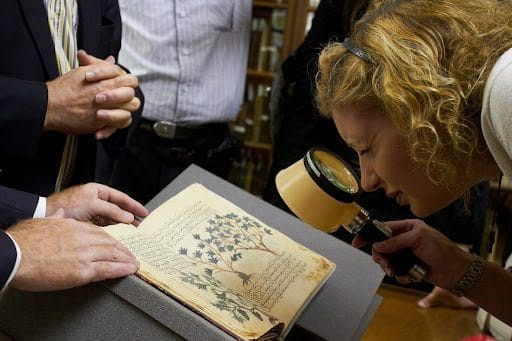
- Museums and Archives: Curating collections, conducting archival research, and managing historical records in museums, libraries, and archives.
- Public History: Engaging in historical preservation, documentary filmmaking, historical consultancy, and public education initiatives.
- Publishing and Media: Writing and editing historical books, articles, and documentaries for publishing houses, media organizations, and digital platforms.