
Science
Data Scientist
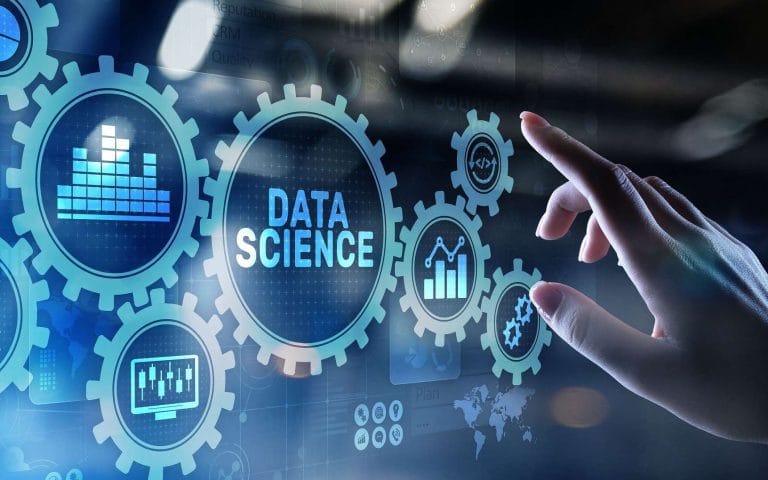
Data Scientists analyze and interpret complex data to help organizations make informed decisions. They use statistical methods, machine learning, and data visualization techniques to extract
Data Scientists analyze and interpret complex data to help organizations make informed decisions. They use statistical methods, machine learning, and data visualization techniques to extract

Software Developers design, develop, and maintain software applications and systems. They use programming languages to create software solutions that meet user needs, ranging from mobile
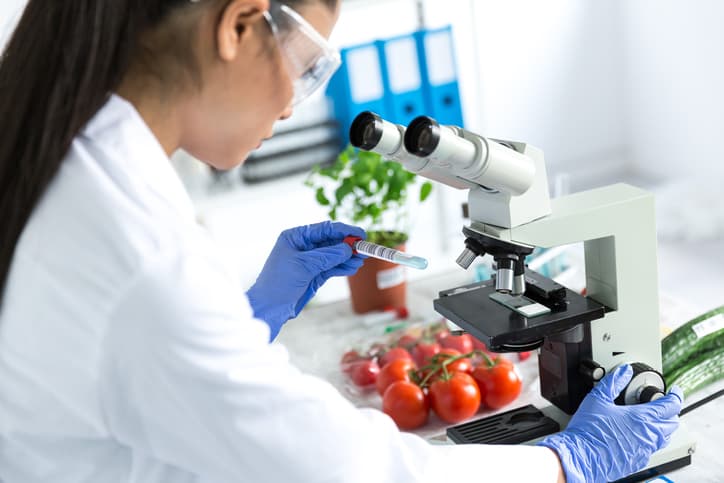
Agricultural Scientists research and develop methods to improve agricultural production, sustainability, and food safety. They study plant and animal genetics, soil health, pest management, and

Forensic Scientists apply scientific principles and techniques to investigate crimes and legal matters. They analyze physical evidence such as DNA, fingerprints, fibers, and chemicals to

Astrophysicists study the physical properties, dynamics, and evolution of celestial objects such as stars, galaxies, planets, and black holes. They use principles of physics, mathematics,
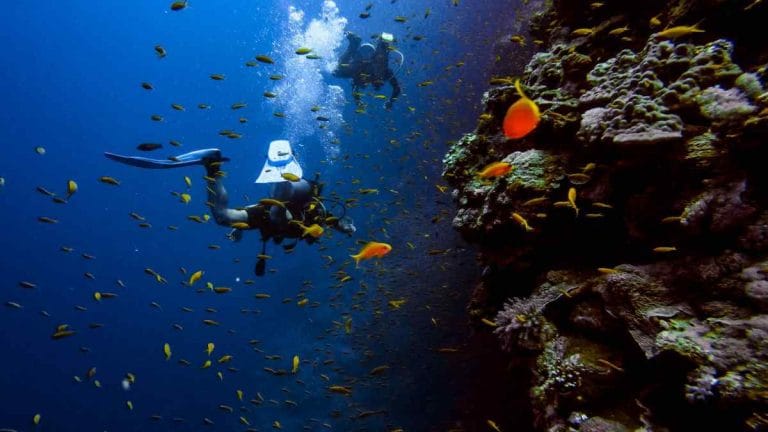
Oceanographers study the physical, chemical, biological, and geological aspects of the ocean. They investigate ocean currents, marine ecosystems, climate interactions, and the impact of human
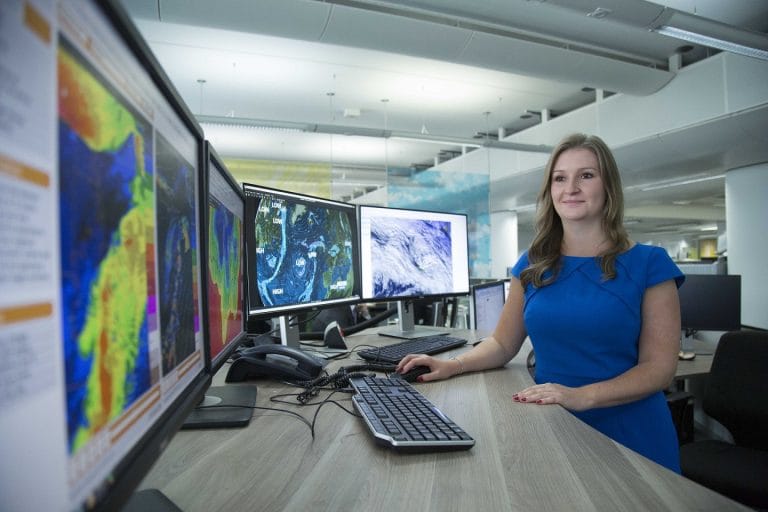
Meteorologists study the Earth’s atmosphere to understand and predict weather and climate patterns. They analyze data from satellites, radar, and weather stations to forecast weather
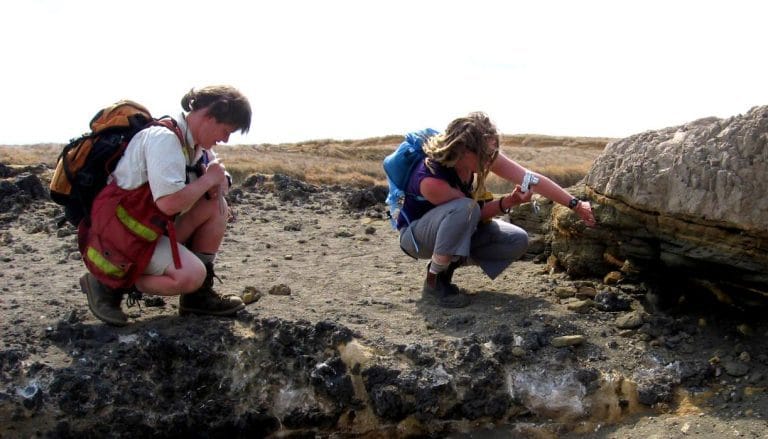
Geologists study the Earth’s structure, composition, and processes that shape the planet. They investigate rocks, minerals, and natural resources to understand geological phenomena such as
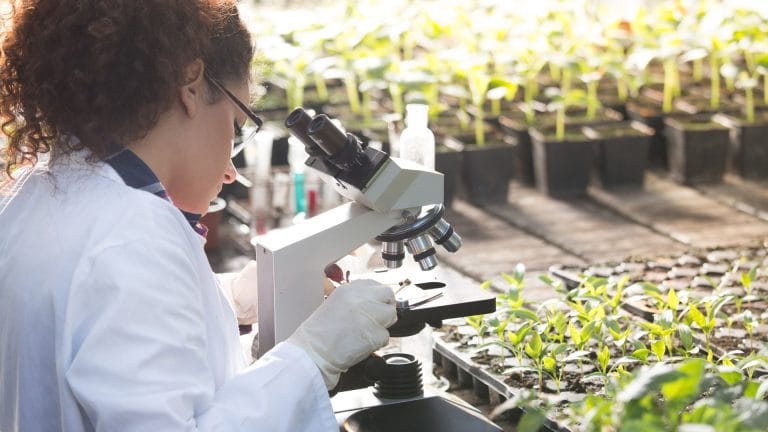
Environmental Scientists study the environment and how human activities impact it. They analyze environmental data, assess pollution levels, and develop strategies to protect natural resources
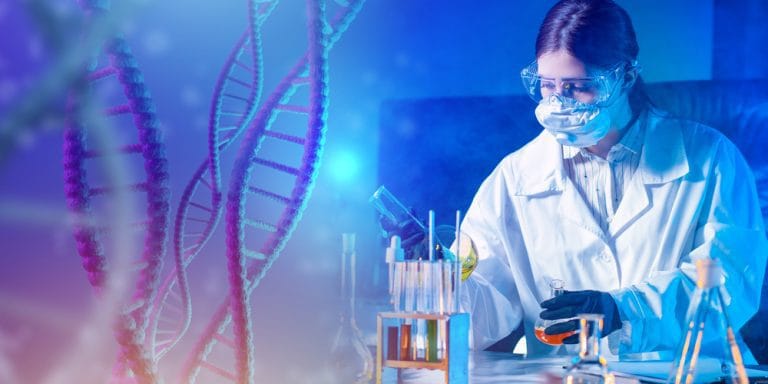
Geneticists study genes, heredity, and genetic variation in living organisms. They analyze genetic data to understand how traits are passed from one generation to another