
1. Begin by explaining the concept of an indoor garden and its importance in our lives, including the benefits of different plants and how they grow.
2. Set up a designated area in your home, such as a windowsill or a small corner, to create an indoor garden space.
3. Provide small pots, soil, and a variety of seeds suitable for indoor gardening, such as herbs, small vegetables, or flowers.
4. Divide the children into pairs or small groups to work together as "Indoor Garden Explorers."
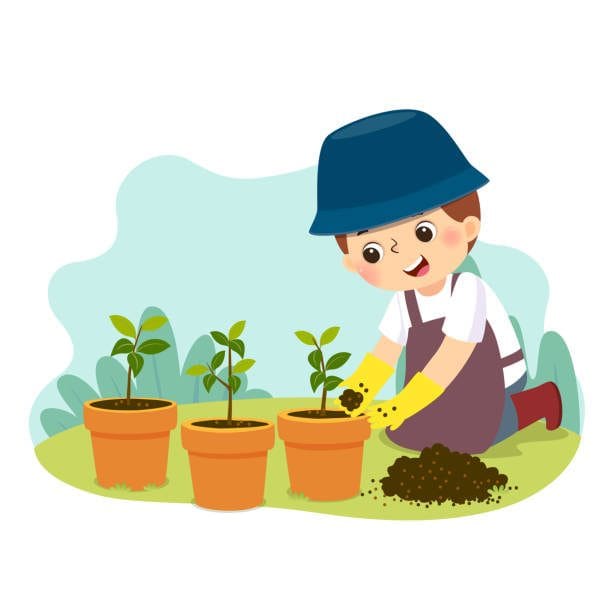
5. Guide the kids in planting the seeds and taking care of their indoor garden. Show them how to water the plants and place them in appropriate sunlight.
6. Encourage the children to observe their plants closely over time and note any changes they see, such as sprouting leaf growth, or flower buds.
7. Have the "Indoor Garden Explorers" share their experiences and observations with each other, fostering interpersonal communication and collaboration.
8. As the plants grow, the children can even use the herbs or vegetables they've grown to prepare a simple dish or make herbal tea, furthering their naturalist intelligence and enjoying the fruits of their labor.
This activity nurtures naturalist intelligence as children explore and learn about plant life cycles, and it also encourages interpersonal and intrapersonal intelligence as they collaborate, share knowledge, and support each other in their gardening endeavors. Creating an indoor garden provides a valuable hands-on experience, connecting children with nature and promoting environmental awareness.